Prostate cancer is one of the most diagnosed cancers in men, particularly after the age of 50. Although the diagnosis can be worrying, medical advances now offer several effective treatment options that help control the disease and improve quality of life. Hormone therapy, also known as androgen deprivation therapy, is one such proven approach that helps slow cancer growth and ease symptoms.
In this blog, a trusted Urologist in Dhanbad, Dr. Saket Narnoli, explains hormone therapy for prostate cancer in clear and simple language. This guide is designed to help patients and their families understand how hormone therapy works, when it is advised, and what to expect throughout the treatment journey.
Understanding the Role of Hormones in Prostate Cancer
Understanding hormone therapy is an important part of effective Prostate Gland Problem, especially in cases of prostate cancer. Male hormones such as testosterone and other androgens play a key role in normal prostate function, but they can also stimulate the growth and spread of prostate cancer cells.
When hormone levels are high, cancer cells may grow more rapidly. Hormone therapy works by lowering these hormone levels or blocking their action, helping slow down cancer progression and control symptoms. While hormone therapy may not cure prostate cancer on its own, it is a highly effective Prostate Gland Problem Treatment option when used alongside other therapies, offering long-term disease management and improved quality of life.
What Is Hormone Therapy for Prostate Cancer?
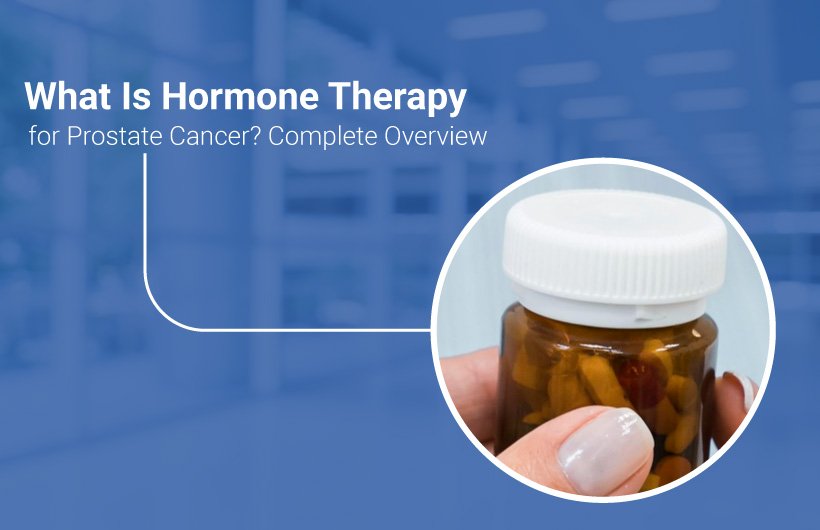
Hormone therapy for prostate cancer is a treatment that lowers androgen levels in the body or stops them from reaching prostate cancer cells. This treatment is also known as androgen deprivation therapy or ADT.
The main goal of ADT therapy for prostate cancer is to “starve” cancer cells of the hormones they need to grow. When hormone levels drop, cancer cells often shrink or grow more slowly, which can help relieve symptoms and improve quality of life.
According to Dr. Saket Narnoli, hormone therapy may be advised in different stages of prostate cancer, depending on the patient’s age, overall health, cancer stage, and response to previous treatments.
Who Needs ADT Therapy for Prostate Cancer?
Patients often wonder if hormone therapy is right for them. ADT therapy for prostate cancer may be recommended in the following situations:
- When prostate cancer has spread beyond the prostate gland
- When cancer returns after surgery or radiation
- Along with radiation therapy for high-risk or locally advanced prostate cancer
- To reduce tumour size before other treatments
- When surgery or radiation is not suitable due to age or medical conditions
Hormone treatment for prostate cancer is tailored to each patient. Dr. Saket Narnoli carefully evaluates the disease stage and patient needs before recommending this therapy.
What Are the Different Types of Hormone Treatment for Prostate Cancer?
There are several ways hormone therapy can be given. The choice depends on the patient’s condition and treatment goals.
1) Medications That Lower Testosterone
These medicines reduce the production of testosterone in the body. They are commonly given as injections or implants and are widely used in androgen deprivation therapy.
2) Medications That Block Hormones
Some drugs prevent testosterone from attaching to cancer cells. Even if small amounts of hormones are present, these medicines stop them from stimulating cancer growth.
3) Surgical Hormone Therapy
In some cases, removal of the testicles may be advised to quickly reduce testosterone levels. This is a permanent form of hormone therapy but is less commonly chosen today due to medical alternatives.
Each option has its own benefits and possible side effects, which should be discussed clearly with a urologist.
What Are the Benefits of Hormone Therapy?
Hormone therapy for prostate cancer offers several important benefits:
- Slows the growth of cancer cells
- Helps shrink tumours
- Reduces cancer-related symptoms such as bone pain or urinary problems
- Improves the effectiveness of radiation therapy when used together
- Helps control advanced or recurrent prostate cancer
Many patients experience symptom relief within a few weeks or months of starting treatment.
What Side Effects Can Occur with Androgen Deprivation Therapy?
Like all treatments, androgen deprivation therapy can have side effects. These occur because lowering testosterone affects many body functions. Common side effects may include:
- Hot flashes
- Reduced Sexual Desire
- Erectile difficulties
- Fatigue and weakness
- Weight gain
- Mood changes
- Bone thinning over time
Not every patient experiences all side effects, and many are manageable with medical guidance, lifestyle changes, and regular monitoring.
Dr. Saket Narnoli emphasises that open communication with your doctor helps in managing side effects effectively and maintaining overall well-being during treatment.
How Long Does Hormone Therapy Last?
The duration of hormone treatment for prostate cancer varies from patient to patient. Some may need it for a few months, while others may require long-term or intermittent therapy.
In some cases, doctors recommend intermittent hormone therapy, where treatment is paused and restarted based on hormone levels and cancer activity. This approach may help reduce side effects while still controlling cancer growth.
Regular follow-ups, blood tests, and scans help determine how long therapy should continue.
Is Hormone Therapy Enough on Its Own?
Hormone therapy alone may not be enough for all patients. It is often used along with other treatments such as radiation therapy or surgery, especially in high-risk cases.
Your urologist will design a treatment plan based on cancer stage, spread, and response to therapy. Combining treatments often leads to better long-term outcomes.
Final Thoughts
Understanding hormone therapy for prostate cancer empowers patients to take an active role in their treatment and long-term health. Recognising the warning signs of prostate cancer—such as changes in urination, pelvic discomfort, or unexplained pain—is something every man should know about prostate health, as early detection greatly improves outcomes.
If you or a loved one is facing a prostate cancer diagnosis, timely medical advice and a personalised treatment plan are essential. With expert guidance from specialists like Dr. Saket Narnoli, patients can benefit from tailored hormone therapy, regular monitoring, and continuous support throughout their care journey.
Staying informed, attending regular follow-ups, and acting early on symptoms can make a meaningful difference in managing prostate cancer effectively and maintaining a better quality of life.