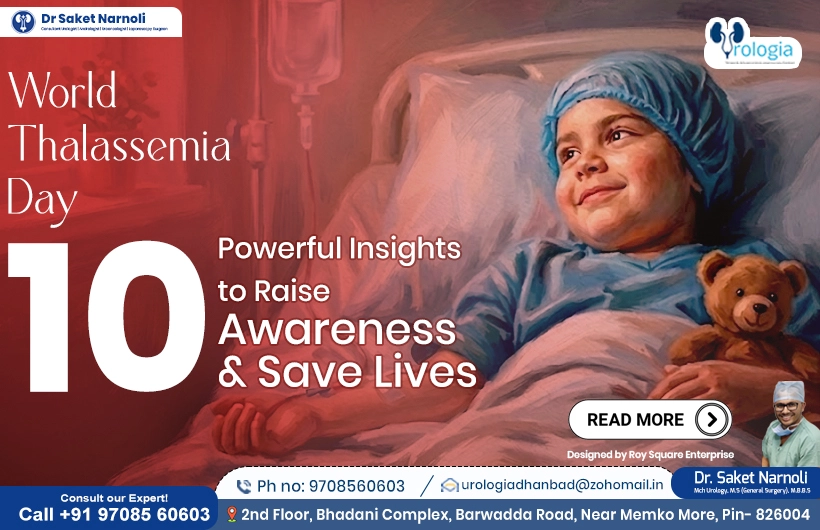
Every year on May 8, the world comes together to observe World Thalassemia Day, a vital global health awareness initiative dedicated to educating people about thalassemia — a serious yet preventable genetic blood disorder. Despite medical advancements, many families still struggle due to lack of awareness, delayed diagnosis, and limited access to treatment.
This blog aims to provide a clear, professional, and easy-to-understand guide to thalassemia — from causes and symptoms to prevention and treatment — while also highlighting expert care available through Dr. Saket Narnoli at Urologia Hospital.
What is Thalassemia?
Thalassemia is a genetic blood disorder that affects the body’s ability to produce hemoglobin — the protein in red blood cells responsible for carrying oxygen throughout the body.
When hemoglobin production is disrupted:
- Red blood cells become weak and break down easily
- The body suffers from chronic anemia
- Patients may require lifelong medical care
This condition is inherited, meaning it passes from parents to children through genes.
Why World Thalassemia Day Matters
World Thalassemia Day is more than just a date — it is a movement for awareness and prevention.
Key Objectives:
- Educate people about genetic screening
- Promote early diagnosis and treatment
- Encourage blood donation
- Support patients and families emotionally and socially
In countries like India, where thalassemia cases are significant, awareness can prevent thousands of severe cases every year.
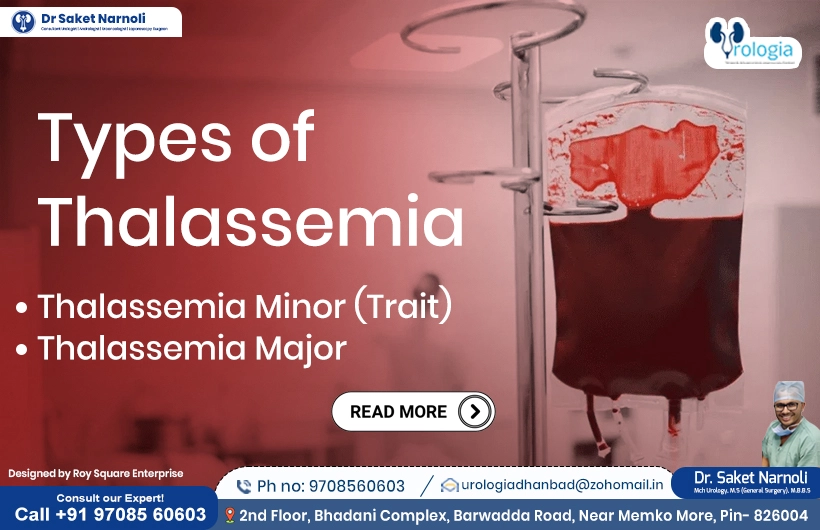
Types of Thalassemia
Thalassemia is broadly classified based on severity:
Thalassemia Minor (Trait)
- Mild or no symptoms
- Individuals are carriers
- Often detected during routine blood tests
Thalassemia Major
- Severe form
- Requires regular blood transfusions
- Diagnosed in early childhood
Thalassemia Intermedia
- Moderate condition
- May need occasional medical intervention
Understanding the type helps doctors decide the best treatment approach.
Common Symptoms to Watch
Symptoms of thalassemia may vary depending on severity, but common signs include:
- Constant fatigue and weakness
- Pale or yellowish skin
- Shortness of breath
- Slow growth in children
- Enlarged spleen
- Bone deformities (in severe cases)
Early recognition of these symptoms can lead to timely diagnosis and better outcomes.
Causes & Risk Factors
Major Risk Factors:
- Both parents being carriers
- Family history of thalassemia
- Certain geographic regions (including South Asia)
If both parents carry the trait:
This makes genetic counseling and screening extremely important.
Importance of Early Diagnosis
Early diagnosis plays a life-saving role in managing thalassemia.
Common Diagnostic Tests:
- Complete Blood Count (CBC)
- Hemoglobin electrophoresis
- Genetic testing
Benefits of Early Detection:
- Timely treatment planning
- Prevention of complications
- Improved quality of life
Healthcare experts like Dr. Saket Narnoli emphasize the importance of routine screening and awareness, especially for couples planning a family.
Treatment & Management
Although thalassemia is a lifelong condition, proper treatment can help patients live a healthy and productive life.
Main Treatment Options:
Regular Blood Transfusions
- Maintain healthy hemoglobin levels
- Essential for severe cases
Iron Chelation Therapy
- Removes excess iron from the body caused by transfusions
Bone Marrow / Stem Cell Transplant
- Potential cure in selected cases
Supportive Care
- Healthy diet
- Regular medical check-ups
- Emotional and psychological support
At Urologia Hospital, patients benefit from a comprehensive approach to care, ensuring proper monitoring and advanced treatment support.
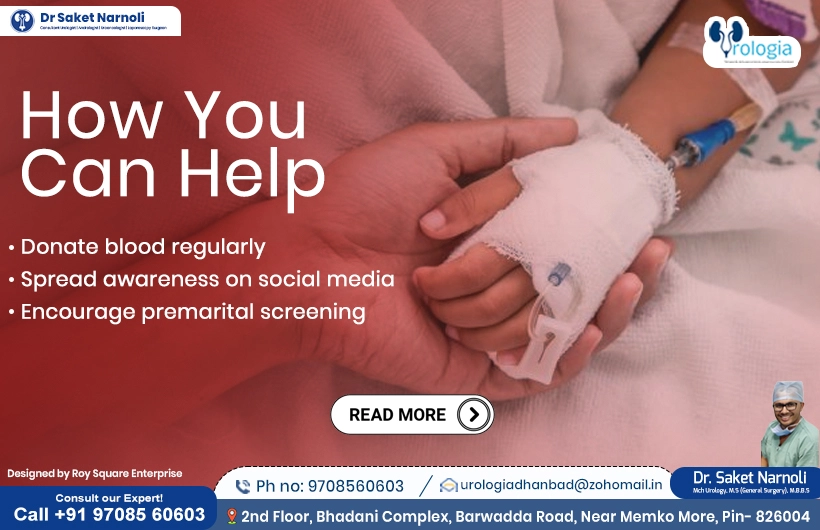
How You Can Help
Everyone can play a role in fighting thalassemia.
Simple Ways to Contribute:
- Donate blood regularly
- Spread awareness on social media
- Encourage premarital screening
- Support thalassemia patients and NGOs
- Educate others about genetic risks
Small actions can lead to big changes in saving lives.
Why Choose Dr. Saket Narnoli?
When it comes to expert medical care, choosing the right specialist is crucial.
Key Highlights:
- Highly experienced urologist, andrologist, uro-oncologist, and laparoscopic surgeon
- Known as one of the best urologist surgeons in Dhanbad
- Patient-focused approach with advanced treatment methods
- Strong reputation for accurate diagnosis and compassionate care
Practicing at Urologia Hospital, he ensures patients receive modern, safe, and reliable healthcare services under one roof.
About Urologia Hospital
Urologia Hospital is known for delivering quality healthcare with advanced medical infrastructure.
What Makes It Stand Out:
- Experienced medical professionals
- Modern diagnostic facilities
- Patient-centered environment
- Focus on safety and care
The hospital is committed to improving lives through awareness, prevention, and expert treatment.
Conclusion
World Thalassemia Day is a powerful reminder that awareness can save lives. While thalassemia remains a serious genetic condition, it is preventable with the right knowledge and screening.
By understanding the disease, recognizing symptoms early, and supporting those affected, we can create a healthier future. Medical experts like Dr. Saket Narnoli and institutions like Urologia Hospital continue to play a vital role in delivering trusted and compassionate care.