Introduction: What is a Ureteroscopy Procedure?
Kidney and ureteral stones are among the most common urological problems affecting people of all ages. These stones can cause severe pain, urinary difficulties, and even complications if left untreated. Fortunately, modern urology offers advanced, minimally invasive treatment options, and one of the most effective among them is the ureteroscopy procedure.
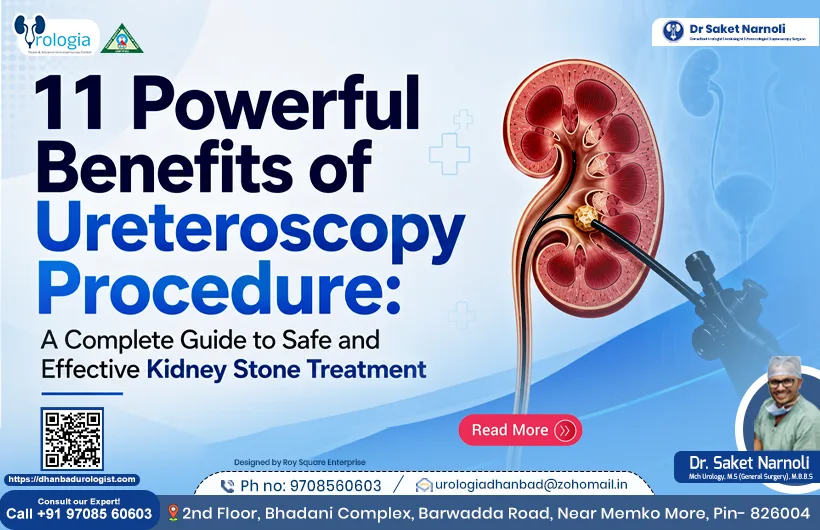
Ureteroscopy is a specialized procedure used to diagnose and treat conditions affecting the urinary tract, particularly kidney stones and ureteral stones. It allows a urologist to directly view the urinary tract using a thin, flexible instrument called a ureteroscope. The procedure is highly effective, requires no external incision, and helps patients recover quickly.
At Urologia Hospital, patients receive advanced urological care under the guidance of Dr. Saket Narnoli, an experienced urologist, andrologist, uro-oncologist and laparoscopy surgeon in Dhanbad. His expertise in minimally invasive procedures has helped many patients achieve faster recovery and better outcomes.
Why is Ureteroscopy Performed?
A ureteroscopy procedure may be recommended for several urinary tract conditions. The most common reason is the diagnosis and treatment of kidney stones that are causing pain, obstruction, or infection.
Some common reasons for performing ureteroscopy include:
- Kidney stones
- Ureteral stones
- Blood in the urine (haematuria)
- Urinary tract obstruction
- Recurrent urinary tract infections
- Narrowing of the ureter (ureteral stricture)
- Investigation of abnormal findings on imaging tests
- Diagnosis of certain urinary tract abnormalities
The procedure helps doctors identify the exact cause of symptoms and provide immediate treatment when necessary.
Symptoms That May Require Ureteroscopy
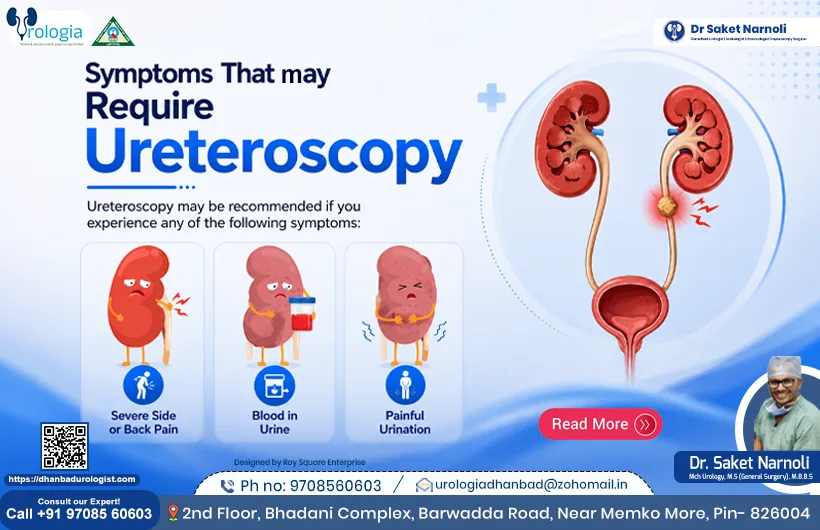
Your urologist may recommend ureteroscopy if you experience symptoms that suggest a urinary tract problem.
Common symptoms include:
Severe Side or Back Pain
Kidney stones often cause intense pain in the side, back, or lower abdomen.
Blood in Urine
Visible or microscopic blood in the urine can indicate stones or other urinary tract conditions.
Painful Urination
Burning or discomfort during urination may require further investigation.
Frequent Urinary Tract Infections
Repeated infections may indicate an underlying blockage or abnormality.
Difficulty Passing Urine
Obstruction caused by stones can affect the normal flow of urine.
Urgent or Frequent Urination
Irritation of the urinary tract can lead to frequent urges to urinate.
What Happens During the Procedure?
Patients remain comfortable throughout the procedure.
Step 1: Anesthesia Administration
The procedure begins after the patient receives appropriate anesthesia.
Step 2: Insertion of the Ureteroscope
A thin, flexible tube equipped with a camera is carefully passed through the urethra and bladder into the ureter.
Step 3: Examination of the Urinary Tract
The camera provides a clear view of the urinary tract, allowing the surgeon to identify stones, blockages, or abnormalities.
Step 4: Stone Removal or Fragmentation
If stones are present, specialized instruments or laser technology may be used to break them into smaller pieces for removal.
Step 5: Stent Placement (If Needed)
In some cases, a temporary ureteral stent may be inserted to ensure proper urine drainage and healing.
The entire procedure typically takes between 30 minutes and 90 minutes, depending on the complexity of the case.
What Happens After the Procedure?
Most patients are able to return home on the same day after a short observation period.
Following the procedure, it is normal to experience:
- Mild burning during urination
- Slight blood in the urine
- Increased urinary frequency
- Mild discomfort in the lower abdomen
Patients are encouraged to:
- Drink plenty of water
- Take prescribed medications
- Avoid heavy physical activity for a short period
- Attend follow-up appointments as advised
If a stent has been placed, it will usually be removed after a few days or weeks, depending on the patient’s condition.
What Are the Potential Benefits and Risks?
Benefits of Ureteroscopy
Ureteroscopy offers several advantages over traditional surgical approaches.
High Success Rate
The procedure is highly effective for treating stones located in the ureter and kidney.
Faster Recovery
Most patients resume normal activities within a short period.
Reduced Hospital Stay
Many procedures are performed on a day-care basis.
Accurate Diagnosis
Direct visualization helps identify the exact cause of urinary tract problems.

Possible Risks of Ureteroscopy
Although ureteroscopy is considered very safe, every medical procedure carries some risk.
Potential complications include:
- Urinary tract infection
- Temporary bleeding
- Pain or discomfort
- Ureteral injury
- Difficulty urinating
- Stent-related symptoms
Fortunately, serious complications are uncommon when the procedure is performed by an experienced specialist.
Recovery and Outlook
Recovery after ureteroscopy is generally smooth and uncomplicated.
Recovery Tips
- Stay well hydrated
- Follow medication instructions carefully
- Avoid strenuous exercise initially
- Attend scheduled follow-up visits
- Monitor for unusual symptoms
Long-Term Outlook
Most patients experience significant relief from symptoms after treatment. The success rate of ureteroscopy is very high, especially when used for stone removal.
To reduce the risk of future stone formation, patients may be advised to:
- Increase water intake
- Reduce excessive salt consumption
- Maintain a healthy diet
- Follow preventive measures recommended by their urologist
With proper care and lifestyle changes, many patients remain stone-free for years.
Role of Urologist
The success of any urological procedure depends greatly on the expertise of the treating specialist. A qualified urologist plays a crucial role in diagnosis, treatment planning, performing the procedure, and guiding recovery.
At Urologia Hospital, Dr. Saket Narnoli provides comprehensive evaluation and advanced treatment for kidney stones and other urological conditions. As an experienced urologist, andrologist, uro-oncologist and laparoscopy surgeon in Dhanbad, he focuses on delivering personalized care using the latest medical technologies.
Patients trust Dr. Saket Narnoli for his commitment to clinical excellence, patient safety, and successful treatment outcomes. His extensive experience in minimally invasive urological procedures has made him one of the most sought-after specialists in the region.
Conclusion
Ureteroscopy is a safe, effective, and minimally invasive procedure used to diagnose and treat a variety of urinary tract conditions, particularly kidney and ureteral stones. The procedure offers excellent success rates, quick recovery, and minimal discomfort compared to traditional surgery.
If you are experiencing symptoms such as severe pain, blood in the urine, recurrent infections, or difficulty urinating, seeking timely medical evaluation is essential. Early diagnosis and expert treatment can prevent complications and improve long-term health outcomes.
At Urologia Hospital, patients benefit from advanced urological care, modern technology, and expert guidance from skilled specialists. With the expertise of Dr. Saket Narnoli, patients can feel confident that they are receiving high-quality treatment tailored to their individual needs.
Contact us to book a semen analysis and consultation at our Dhanbad clinic, and get a clear picture of where things stand.
Book Your Appointment with Dr. Saket Narnoli Today!
Consult Dr. Saket Narnoli, leading Uro-Oncologist and Laparoscopic Urologist in Dhanbad, for kidney, bladder, prostate, and urinary tract conditions. Call today to schedule your visit.
Medical Disclaimer: This article is for informational purposes only and does not constitute medical advice. Please consult a qualified urologist for diagnosis and treatment tailored to your specific condition.