Testis cancer, also known as testicular cancer, is one of the most treatable forms of cancer when detected early. Despite being relatively rare compared to other cancers, it mainly affects young and middle-aged men. Many people ignore the early warning signs because they are not aware of them.
Understanding the symptoms, causes, and treatment options can help men take timely action and protect their health. In this detailed guide, we will explain everything you need to know about testis cancer in simple and clear language.
Understanding Testis Cancer
Testis cancer occurs when abnormal cells grow uncontrollably in the testicles.
This cancer usually begins in the germ cells, which are the cells that produce sperm. While the condition can be serious, it is also one of the most successfully treatable cancers, especially when diagnosed early.
Early diagnosis and proper medical care can significantly increase the chances of recovery and long-term health.
Anatomy and Function of the Testicles
To understand testis cancer, it is important to know the role of the testicles in the body.
The testicles are two oval-shaped organs located inside the scrotum, the loose pouch of skin below the penis.
Main Functions of the Testicles
- Production of sperm for reproduction
- Production of testosterone (male hormone)
- Maintaining male sexual characteristics
- Supporting fertility and sexual health
Because the testicles play such an important role in male health, any abnormal change in their size, shape, or texture should never be ignored.

Types of Testis Cancer
Most cases of testis cancer develop from germ cells. There are two main types.
Seminoma
It usually occurs in men between the ages of 30 and 50 and responds very well to treatment.
Non-Seminoma
Non-seminoma tumors grow more quickly and may spread faster. They are more common in younger men.
Rare Types
Some uncommon types include:
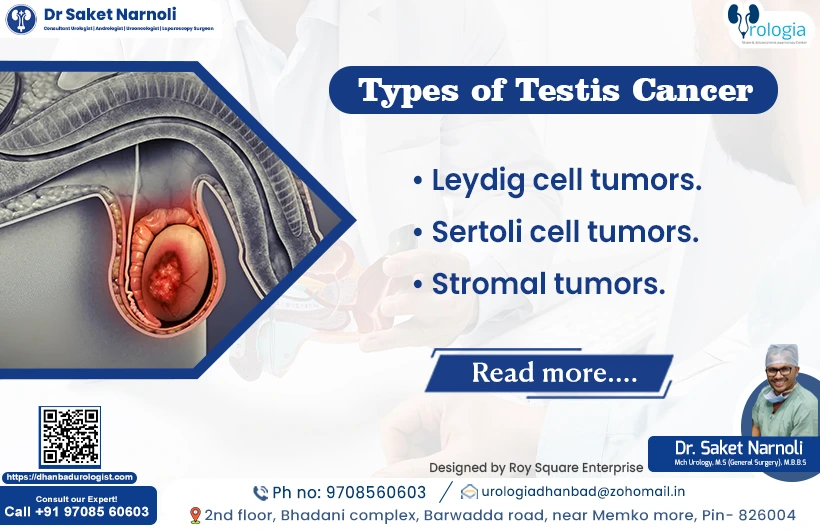
- Leydig cell tumors
- Sertoli cell tumors
- Stromal tumors
The type of cancer determines the treatment approach and recovery plan.
Causes of Testis Cancer
The exact cause of testis cancer is not always known. However, doctors believe that genetic and environmental factors may play a role.
In many cases, the disease begins when healthy cells in the testicle develop abnormal DNA changes. These abnormal cells start multiplying rapidly, forming a tumor.
Although the exact trigger may remain unknown, several conditions increase the likelihood of developing testis cancer.
Early Signs and Symptoms of Testis Cancer
Recognizing early symptoms can save lives. Many men notice subtle changes before the disease progresses.
Common warning signs include:
- Enlargement of one testicle
• Feeling of heaviness in the scrotum
• Dull pain in the lower abdomen or groin
• Sudden fluid collection in the scrotum
• Discomfort or pain in the testicle
In advanced stages, symptoms may also include back pain or breathing problems if the cancer spreads.
Any unusual change should be evaluated by a specialist as soon as possible.

Major Risk Factors
Certain factors can increase the risk of developing testis cancer.
Family History
If a close family member has had testicular cancer, the risk increases.
Previous Testicular Cancer
Men who have had cancer in one testicle are more likely to develop it in the other.
Age
Testis cancer most commonly affects men between the ages of 15 and 40.
Abnormal Testicle Development
Some developmental conditions may increase the risk.
Understanding these risk factors helps individuals take preventive steps and seek early screening.
Diagnosis of Testis Cancer
Early and accurate diagnosis is essential for effective treatment.
Doctors may recommend several tests to confirm the condition.
Physical Examination
The doctor carefully checks the testicles for lumps, swelling, or abnormalities.
Scrotal Ultrasound
An ultrasound scan helps identify tumors inside the testicle.
Blood Tests
Certain tumor markers in the blood, such as AFP, HCG, and LDH, help confirm the presence of cancer.
CT scan
A CT scan may be done to determine whether the cancer has spread to other parts of the body.
Once these tests are completed, the doctor can determine the stage of the cancer and plan the most effective treatment.
Stages of Testis Cancer
Doctors classify testis cancer into stages based on how far the disease has spread.
Stage 1
Cancer is limited to the testicle.
Stage 2
Cancer spreads to nearby lymph nodes in the abdomen.
The earlier the stage, the higher the chances of successful treatment.
Treatment Options for Testis Cancer
Treatment depends on the type and stage of cancer. Fortunately, modern medical advancements offer highly effective treatment options.
Surgery
The most common treatment is orchiectomy, which involves removing the affected testicle.
Radiation Therapy
Radiation may be used in certain cases, especially for seminoma tumors.
Chemotherapy
Chemotherapy helps destroy cancer cells that may have spread beyond the testicle.
Lymph Node Surgery
In some cases, lymph nodes in the abdomen may need to be removed to prevent further spread.
Advanced surgical techniques and personalized treatment plans help improve survival rates and recovery outcomes.
Recovery and Life After Treatment
Many men lead completely normal lives after treatment for testis cancer.
Recovery may include:
- Regular follow-up checkups
• Monitoring tumor markers
• Imaging tests to detect recurrence
• Maintaining a healthy lifestyle
Patients are encouraged to adopt healthy habits, including balanced nutrition, regular exercise, and avoiding smoking.
Emotional support and counseling may also help patients adjust during the recovery phase.
Role of a Urologist in Testis Cancer Treatment
A urologist plays a critical role in diagnosing and treating testicular cancer.
From identifying early symptoms to performing advanced surgical procedures, the expertise of a skilled specialist ensures the best possible outcome.
At Urologia Hospital, patients receive advanced urological care under the supervision of Dr. Saket Narnoli, an experienced urologist, andrologist, uro-oncologist and laparoscopy Surgery specialist in Dhanbad.
With extensive experience in managing complex urological conditions, Dr. Saket Narnoli provides accurate diagnosis, modern treatment methods, and compassionate care to every patient.
The Right Surgeon: Dr. Saket Narnoli
Choosing the right surgeon can significantly impact treatment success.
Dr. Saket Narnoli, practicing at Urologia Hospital, is widely recognized as a best urologist surgeon in Dhanbad. His expertise includes urology, andrology, uro-oncology, and advanced laparoscopic surgery.
Patients trust Dr. Saket Narnoli for his patient-centered approach, modern treatment techniques, and commitment to delivering safe and effective care.
Why Choose Urologia Hospital
Urologia Hospital has become a trusted center for advanced urological care.
Key advantages include:
- Advanced diagnostic facilities
• Modern surgical technology
• Specialized urology and uro-oncology care
• Experienced medical professionals
• Patient-friendly environment
The hospital focuses on providing comprehensive care for kidney, bladder, prostate, and testicular conditions.
Conclusion: Early Detection Saves Lives
Testis cancer may sound frightening, but the good news is that it is highly treatable, especially when detected early.
Regular self-examination, awareness of symptoms, and timely consultation with a specialist can make a life-saving difference.
If you notice any unusual changes in the testicles, do not ignore them. Early medical attention can prevent complications and improve recovery.
Protecting your health starts with awareness. When it comes to testis cancer, early detection truly saves lives.