Congenital urinary disorders are conditions that affect the urinary system of a baby from birth. These disorders develop while the baby is still in the womb and may involve the kidneys, ureters, bladder, or urethra. Some conditions are mild and may resolve on their own, while others require careful monitoring or surgical treatment.
Early awareness is extremely important. When detected at the right time, most congenital urinary problems can be managed successfully and children can grow up with normal kidney function and a healthy life. This blog explains the most common conditions, their warning signs, treatment options, and the importance of choosing the right specialist for proper care.
Understanding Congenital Urinary Disorders
The urinary system plays a vital role in removing waste and maintaining the body’s fluid balance. It includes:
- Kidneys
- Ureters
- Bladder
- Urethra
When any of these structures do not develop normally before birth, a congenital urinary disorder may occur. These conditions are usually identified during pregnancy scans or soon after birth.
Early diagnosis helps doctors prevent complications such as infections, kidney damage, or urinary obstruction.
Common Congenital Urinary Disorders in Babies You Should Know
Several types of urinary birth defects can affect newborns. Understanding these conditions helps parents recognize problems early and seek proper treatment.
-
Hydronephrosis
Hydronephrosis is one of the most common congenital urinary conditions. It occurs when urine cannot drain properly from the kidney, causing swelling.
Possible causes include:
- Blockage in the urinary tract
- Narrow ureter
- Urine flowing backward from the bladder
In many cases, mild hydronephrosis improves naturally as the child grows. However, severe cases may require surgery.

-
Vesicoureteral Reflux (VUR)
In this condition, urine flows backward from the bladder into the ureters and sometimes back into the kidneys.
This backward flow increases the risk of:
- Repeated urinary infections
- Kidney damage
- Kidney scarring
Doctors usually manage mild cases with medication and monitoring, while severe reflux may need surgical correction.
-
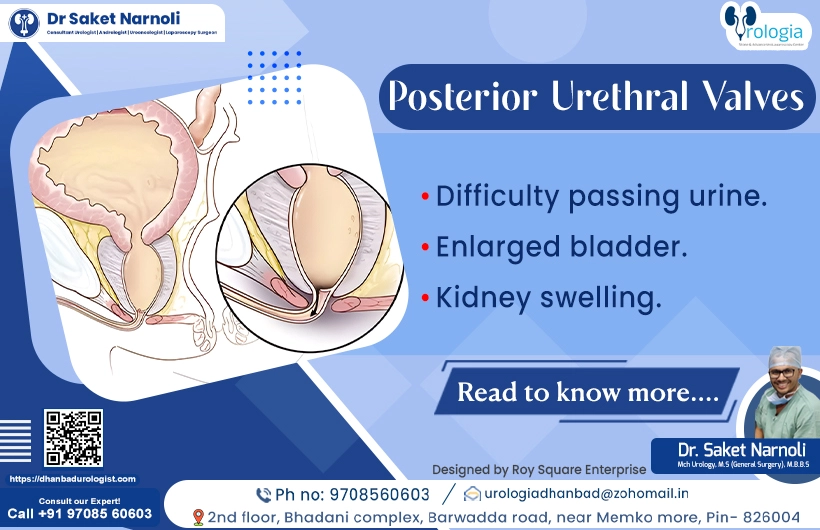
Posterior Urethral Valves
This condition affects boys and involves abnormal tissue blocking the urethra. The blockage prevents urine from flowing out normally.
Symptoms may include:
- Difficulty passing urine
- Enlarged bladder
- Kidney swelling
Early treatment is important to protect kidney function.
-
Ureteropelvic Junction (UPJ) Obstruction
UPJ obstruction occurs when the connection between the kidney and ureter is blocked or narrowed.
This can lead to:
- Urine accumulation
- Kidney swelling
- Pain or infections later in life
Some children may require surgical correction if the obstruction becomes severe.
-
Hypospadias
Hypospadias is a birth condition where the urethral opening in boys is located on the underside of the penis instead of the tip.
Although it mainly affects the genital structure, it can also influence urinary function. Surgical correction is usually performed during infancy or early childhood.
Signs of Congenital Urinary Problems in Newborns Parents Should Not Ignore
Many congenital urinary disorders are discovered during prenatal ultrasound. However, some signs may appear after birth.
Parents should watch for the following symptoms:
Frequent Urinary Infections
Repeated urinary infections in babies or young children may indicate an underlying urinary abnormality.
Difficulty Passing Urine
If a baby strains, cries, or passes urine very slowly, it may suggest a urinary blockage.
Swelling in the Abdomen
Kidney swelling or bladder enlargement can sometimes cause abdominal swelling in newborns.
Poor Growth or Feeding Problems
Chronic infections or kidney problems may affect a child’s growth and overall development.
Fever Without Clear Cause
Unexplained fever in infants can sometimes be related to urinary infections caused by congenital urinary disorders.
If parents notice any of these signs, consulting a specialist early is the best step to ensure proper care.
Can Congenital Urinary Disorders Be Treated? Treatment Options Explained
The good news is that many congenital urinary disorders can be treated effectively. The type of treatment depends on the severity and type of condition.
-
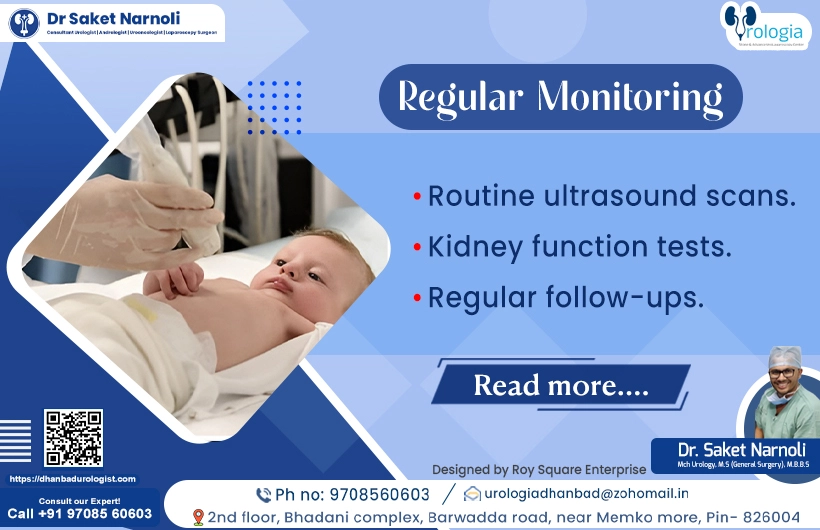
Regular Monitoring
Mild cases may only require:
- Routine ultrasound scans
- Kidney function tests
- Regular follow-ups
Doctors monitor the child’s condition to ensure the kidneys remain healthy.
-
Medication
Some children may need medications to:
- Prevent urinary infections
- Reduce inflammation
- Support bladder function
Preventing infections is extremely important to protect kidney health.
-
Minimally Invasive Procedures
Modern urology treatments often involve minimally invasive procedures such as endoscopic techniques. These methods help correct certain urinary abnormalities without large incisions.
-
Surgical Correction
In moderate to severe cases, surgery may be necessary to remove blockages or reconstruct parts of the urinary tract.
With modern surgical techniques, recovery is usually faster and outcomes are highly successful when performed by an experienced specialist.
How Congenital Urinary Disorders Affect Kidney Health in Children
The kidneys are delicate organs that filter waste from the blood. If congenital urinary problems are left untreated, they may lead to complications such as:
Kidney Infections
Blocked urine flow can create an environment where bacteria grow easily, leading to repeated infections.
Kidney Scarring
Long-term infections or reflux can cause permanent kidney scarring.
Reduced Kidney Function
In severe untreated cases, the kidneys may gradually lose their ability to function properly.
Risk of Chronic Kidney Disease
If damage progresses over time, children may develop chronic kidney disease later in life.
This is why early diagnosis and proper treatment play a crucial role in protecting long-term kidney health.
Importance of Choosing the Right Surgeon
Treating congenital urinary disorders requires specialized knowledge and surgical expertise. Pediatric urinary conditions can be complex, and the right surgeon ensures the safest and most effective treatment.
Parents should consider:
- Experience in urological surgeries
- Advanced surgical techniques
- Modern diagnostic facilities
- Personalized patient care
Seeking treatment from an experienced specialist greatly improves treatment outcomes and reduces the risk of complications.
At Urologia Hospital, patients receive advanced urological care from Dr. Saket Narnoli, an experienced urologist, andrologist, uro-oncologist and laparoscopy surgery specialist in Dhanbad. His expertise in managing complex urinary conditions helps patients receive the right treatment at the right time.
Why Choose Dr. Saket Narnoli, Urologia Hospital
When dealing with urinary disorders, choosing a trusted specialist is extremely important. Patients looking for expert care in Dhanbad often rely on Dr. Saket Narnoli, widely recognized as a skilled urology specialist.
At Urologia Hospital, he provides comprehensive diagnosis and treatment for various urinary conditions using modern medical technology and advanced surgical techniques.
Here are some reasons why patients choose his care:
Extensive Clinical Experience
Dr. Saket Narnoli has strong expertise in treating urinary disorders, kidney conditions, and urological complications with precision and care.
Advanced Treatment Methods
The hospital focuses on modern treatment approaches including minimally invasive and laparoscopic procedures that promote faster recovery.
Patient-Focused Care
Every patient receives personalized evaluation and treatment planning to ensure the best possible outcome.
Specialized Urology Services
Urologia Hospital offers comprehensive services for:
- Kidney disorders
- Urinary tract conditions
- Male reproductive health issues
- Urological cancers
Due to his dedication and expertise, Dr. Saket Narnoli is widely considered one of the best urologist surgeons in Dhanbad.
Conclusion
Congenital urinary disorders may sound concerning, but with early diagnosis and proper treatment, most children can lead normal and healthy lives. Awareness among parents plays a key role in identifying symptoms early and seeking timely medical help.
Understanding common urinary birth defects, recognizing warning signs, and choosing the right specialist can make a significant difference in protecting a child’s kidney health and overall well-being.
If your child shows signs of urinary problems or requires expert consultation, seeking care from a qualified urology specialist ensures the best treatment and long-term health outcomes. Early medical guidance and the right care approach can help children overcome urinary challenges and grow with confidence and good health.